
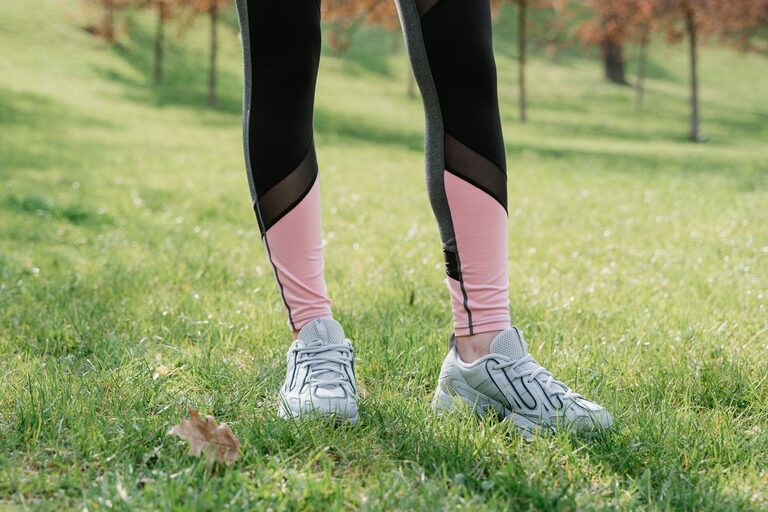
How to Choose Comfortable Clothing and Footwear for Active Days
Staying comfortable during an active day starts with choosing clothing and footwear that work with your plans. Whether you are walking around a new city, running errands, spending time outdoors, or moving between work and leisure activities, the right outfit can help you feel prepared from morning to evening.
Comfort does not mean giving up personal style. It means selecting materials, cuts, and shoes that allow easy movement, manage changing conditions, and feel good for extended periods. With a few simple guidelines, you can build outfits that are practical, flexible, and suitable for many activities.
Start With Your Day’s Activities
Before choosing what to wear, consider how your day will unfold. An outfit for a short walk may be different from one for a full day of travel or outdoor activities.
Think about:
– How much walking or standing you expect to do
– Whether you will spend time indoors, outdoors, or both
– The expected temperature and weather
– Whether you need to carry items
– If you will have a chance to change clothes
– The type of surface you will walk on
For example, a day that includes public transportation, sightseeing, and casual dining may call for lightweight layers and comfortable walking shoes. A day at a park may require breathable clothing, sun protection, and footwear with a secure fit.
Planning around your activities helps you avoid clothing that looks suitable but becomes uncomfortable after several hours.
Choose Fabrics That Support Movement
Fabric has a major effect on comfort. For active days, look for materials that feel soft, allow airflow, and are easy to care for.
Breathable materials
Breathable fabrics allow air to move through the garment, which can help you stay more comfortable in warm conditions. Cotton, linen, and lightweight blends are popular choices for everyday wear. Some modern performance fabrics are also designed to move moisture away from the skin and dry quickly.
The best choice depends on your plans and personal preferences. A lightweight cotton shirt may work well for casual errands, while a quick-drying top can be useful for travel or outdoor activities.
Stretch and flexibility
Clothing with a little stretch can make walking, climbing stairs, bending, and sitting more comfortable. Look for fabrics that include materials such as elastane or other flexible fibers.
Stretch is especially useful in:
– Pants and shorts
– Skirts with fitted waistbands
– Jackets
– Shirts worn during active tasks
– Travel clothing
Avoid garments that feel tight when you sit, reach, or take a long stride. A comfortable fit should support movement without feeling loose or restrictive.
Easy-care fabrics
Active days can involve spills, dust, sweat, or changing weather. Fabrics that resist wrinkles and dry quickly can make your outfit easier to manage.
For travel or long days away from home, consider clothing that:
– Can be washed easily
– Dries without special equipment
– Does not wrinkle quickly
– Can be worn in more than one setting
– Works well with other items in your wardrobe
Focus on Fit and Construction
The right fit is more important than a specific brand or trend. Clothing should rest comfortably on your body without pulling, pinching, or constantly needing adjustment.
Check the following details:
– Seams should not rub or press against your skin.
– Waistbands should stay in place without digging in.
– Sleeves should allow full arm movement.
– Pant legs should not restrict your stride.
– Pockets should be useful without making a garment feel bulky.
– Closures such as buttons, zippers, and drawstrings should be easy to use.
Try moving naturally before wearing a new item for a full day. Walk, sit, bend, and raise your arms. These simple tests can reveal uncomfortable areas that may not be obvious while standing still.
For longer activities, smooth seams and soft materials can be especially helpful. Even a small area of friction may become distracting after hours of movement.
Select Footwear Based on the Activity
Footwear should match the surface, pace, and duration of your plans. There is no single shoe that works best for every situation.
Walking and everyday activities
For walking-heavy days, choose shoes with a secure fit and enough room for your toes to move naturally. The sole should feel stable, and the upper part of the shoe should hold your foot without squeezing it.
Useful features may include:
– A cushioned insole
– A flexible sole
– A secure fastening system
– A breathable upper
– A sturdy outsole with good traction
Casual sneakers, walking shoes, and lightweight athletic shoes can all be suitable, depending on your style and activities.
Outdoor activities
Outdoor plans may require footwear with added protection and traction. If you expect uneven paths, wet ground, or rough surfaces, look for shoes or boots designed for those conditions.
Consider:
– Grip on the sole
– Water resistance
– Ankle coverage
– Overall weight
– Ease of cleaning
Heavier footwear may provide more protection, but it can also feel tiring during long periods of walking. Choose the lightest option that suits the conditions.
Dressier active days
Sometimes you need footwear that works for both movement and a more polished setting. In that case, look for casual shoes with flexible construction, supportive insoles, and a stable sole.
Avoid choosing a shoe only because it looks good in the store. Walk around in it for several minutes and check whether your heel slips, your toes feel crowded, or the sole bends comfortably.
Get the Size and Fit Right
Shoe sizing can vary between brands and styles, so focus on how the shoe feels rather than relying only on a number. Try shoes on while wearing the socks you expect to use with them.
When checking the fit:
– Leave enough room for your toes to move.
– Make sure your heel stays in place as you walk.
– Check that the widest part of your foot rests comfortably.
– Walk on a firm surface if possible.
– Try both shoes, since feet may not be exactly the same size.
It is also helpful to try on footwear later in the day, when your feet may be slightly larger than they are in the morning. New shoes should feel comfortable before you begin a long activity. Avoid assuming that a painful pair will become comfortable with time.
Use Layers for Changing Conditions
Layering makes it easier to adjust your outfit throughout the day. Instead of relying on one heavy garment, combine several lighter pieces.
A practical layered outfit may include:
- A breathable base layer
- A light middle layer, such as a sweater or overshirt
- A weather-resistant outer layer
Layers are useful when temperatures change between morning and afternoon or when you move between air-conditioned buildings and outdoor spaces. Choose pieces that are easy to remove and carry.
A lightweight jacket, compact rain shell, or overshirt can provide extra flexibility without adding much bulk.
Choose Socks and Accessories Carefully
Socks can affect the comfort of your footwear just as much as the shoes themselves. Choose a thickness that fills the shoe without making it feel tight. Breathable or moisture-managing socks may be useful for longer periods of walking.
Accessories can also support an active day. A lightweight hat can provide shade, while a practical bag can help distribute the items you need. Choose bags with comfortable straps and enough room for essentials without becoming unnecessarily heavy.
If you carry a backpack, adjust the straps so the bag sits securely and does not swing while you move.
Test Outfits Before a Long Day
If you are preparing for travel, an event, or a full day outdoors, test your clothing and footwear in advance. Wear the complete outfit for a short walk or several hours of normal activity.
Pay attention to:
– Areas where fabric rubs
– Shoes that slip or feel tight
– Waistbands that shift
– Layers that feel too warm
– Bags that strain your shoulders
– Items that require frequent adjustment
Small changes, such as switching socks or adding a lightweight layer, can make a noticeable difference.
Build a Simple Active-Day Wardrobe
A few versatile pieces can cover many situations. Consider keeping these basics available:
– Comfortable walking shoes
– Lightweight casual pants or shorts
– Breathable tops
– A flexible jacket or overshirt
– Supportive socks
– A compact bag
– Weather-appropriate accessories
Choose colors and styles that work together so you can create several outfits without packing too much. Most importantly, select pieces that fit well, move easily, and match the demands of your routine.
Comfortable clothing and footwear help you stay focused on your plans rather than on constant adjustments. By considering activity level, fabric, fit, weather, and shoe design, you can create practical outfits for active days that feel as good as they look.
