
How to Start a Creative Hobby That Keeps Your Mind Engaged
Starting a creative hobby can bring fresh energy to your daily routine. Whether you enjoy working with your hands, exploring ideas, or learning new skills, a creative activity gives your mind something meaningful to focus on.
The best hobby is not necessarily the most impressive or expensive one. It is the activity you look forward to practicing, even when you are still a beginner. With a thoughtful approach, you can choose a hobby that supports curiosity, concentration, and steady personal growth.
Why Creative Hobbies Keep Your Mind Engaged
Creative hobbies encourage you to notice details, solve problems, and make decisions. Even a simple activity can involve planning, experimenting, and adjusting your approach.
For example, painting requires choices about color and shape. Writing involves selecting words and organizing ideas. Cooking invites you to balance ingredients and timing. These small decisions help keep your attention active.
Creative hobbies can also provide:
– A break from repetitive routines
– Opportunities to learn at your own pace
– A satisfying way to express ideas
– A sense of progress through practice
– Time away from passive screen use
– New subjects and skills to explore
The goal is not to produce perfect results. The real benefit comes from participating, noticing what you learn, and allowing yourself to improve over time.
Choose a Hobby That Fits Your Interests
The easiest hobby to maintain is one that connects with something you already enjoy. Think about the activities that naturally catch your attention.
Ask yourself:
– Do I enjoy working with my hands?
– Do I prefer quiet activities or social ones?
– Would I rather create something visual, practical, or written?
– Do I enjoy following instructions or making my own choices?
– How much time and space can I regularly use?
– Would I like a hobby I can practice indoors, outdoors, or both?
Your answers can help narrow the options. If you enjoy stories, consider creative writing, bookbinding, or illustration. If you like patterns and detail, try knitting, puzzles, model building, or photography. If you prefer practical projects, explore woodworking, gardening, baking, or handmade crafts.
You do not need to choose the perfect hobby immediately. Think of your first choice as an experiment rather than a permanent commitment.
Start With a Small, Clear Project
A common mistake is beginning with a large goal that requires too much equipment, time, or skill. A smaller project makes it easier to begin and gives you a clear finish line.
Instead of saying, “I want to learn photography,” choose a project such as:
– Take ten photos of interesting textures
– Photograph the same place at different times of day
– Create a small photo collection around one color
– Practice one basic editing technique
Instead of saying, “I want to write a book,” try:
– Write a short scene
– Describe a memorable place
– Create a character profile
– Keep a five-minute idea journal
A small project creates momentum. Once you finish it, you can decide whether to continue, change direction, or try something new.
Gather Only the Essentials
It is easy to spend more time shopping for supplies than practicing the hobby. Begin with the basic tools required for your first project. You can add equipment later if the activity continues to interest you.
Before buying anything, consider:
– What is required to begin?
– Can I borrow or reuse materials?
– Is there a beginner version of this tool?
– Do I have a suitable place to store supplies?
– Can I test the hobby through a class or starter kit?
Starting simply reduces pressure and keeps the focus on learning. Many creative activities can begin with items you already have at home, such as paper, pencils, recycled containers, basic kitchen tools, or a notebook.
Create a Regular Practice Time
A hobby does not need to take hours. A consistent routine of 15 to 30 minutes can be enough to build skill and maintain interest.
Choose a time that fits naturally into your day. You might practice:
– Before breakfast
– During a lunch break
– After dinner
– On a quiet weekend morning
– While waiting for another activity to begin
Attach the hobby to an existing routine. For example, you could write after making your morning coffee or sketch after tidying your workspace. This connection makes the activity easier to remember.
If your schedule changes often, use a flexible goal. Instead of promising to practice at the same time every day, aim for three short sessions each week.
Make Room for Curiosity
Creative hobbies become more engaging when you allow yourself to explore. Try different materials, techniques, subjects, or styles. Follow questions that come to mind, even if they lead away from your original plan.
You might ask:
– What happens if I use a different method?
– Can I combine two ideas?
– How would another person approach this?
– What can I learn from a mistake?
– Which part of the process interests me most?
Keep a simple record of your experiments. A notebook, folder, or digital album can help you track ideas and notice progress. Saving early attempts is useful because improvement is often easier to see over several weeks than from one day to the next.
Expect Beginner Mistakes
Every creative hobby includes awkward first attempts. A finished project may look different from what you imagined, and that is a normal part of learning.
Try to view mistakes as information. They can show you:
– Which techniques need more practice
– What materials work best
– Which parts of the hobby you enjoy
– What you would change next time
– Where you may need clearer instructions
Avoid comparing your first attempts with the work of experienced creators. Their results reflect years of practice, not a starting point. Focus on your own process and look for one small improvement each time.
Use Inspiration Without Losing Your Own Voice
Examples, tutorials, books, and classes can help you learn. They show you what is possible and provide useful structure when you are unsure how to begin.
At the same time, inspiration should support your creativity rather than make you feel pressured. You do not need to copy a particular style or follow every trend. Notice what attracts you, then adapt it to your interests and abilities.
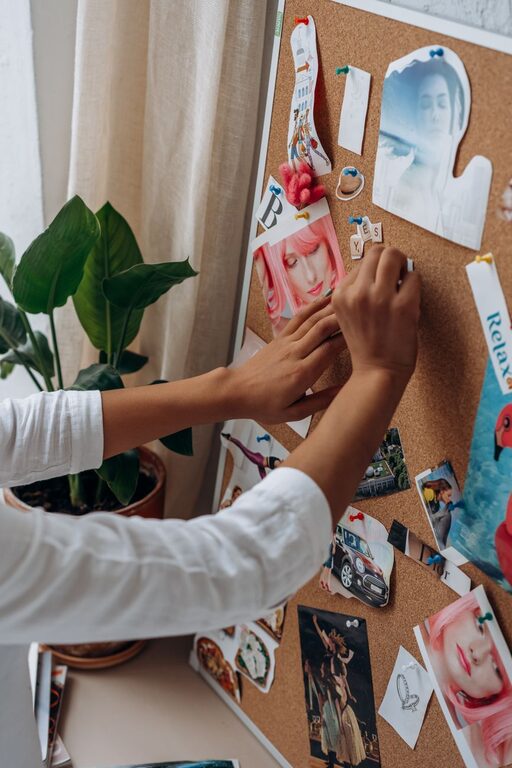
Create a small collection of references that motivate you. This could include photographs, color combinations, writing prompts, project ideas, or useful techniques. Review the collection when you need a fresh starting point.
Share Your Work When You Feel Ready
Sharing can make a hobby more social and help you receive encouraging feedback. You might show your work to a friend, join a local group, attend a class, or participate in an online community focused on beginners.
You do not have to share everything you create. Choose a comfortable level of participation. Some projects can remain private, especially when your main purpose is reflection or relaxation.
If you receive feedback, look for specific suggestions you can use. Remember that creative preferences differ, so one opinion does not define the value of your work.
Keep the Hobby Enjoyable
A creative hobby should add interest to your life, not become another source of pressure. Give yourself permission to change projects, pause for a while, or explore a related activity.
To keep your interest fresh:
– Alternate between easy and challenging projects
– Celebrate completed steps, not only finished results
– Take breaks when the activity feels tiring
– Refresh your supplies and workspace occasionally
– Learn from different teachers and sources
– Return to older projects with new ideas
The most rewarding hobby is one that continues to invite your attention. Start small, practice regularly, and stay open to discovery. Over time, your creative activity can become a valuable part of your routine—one that keeps your mind active while giving you space to make, learn, and enjoy the process.
