
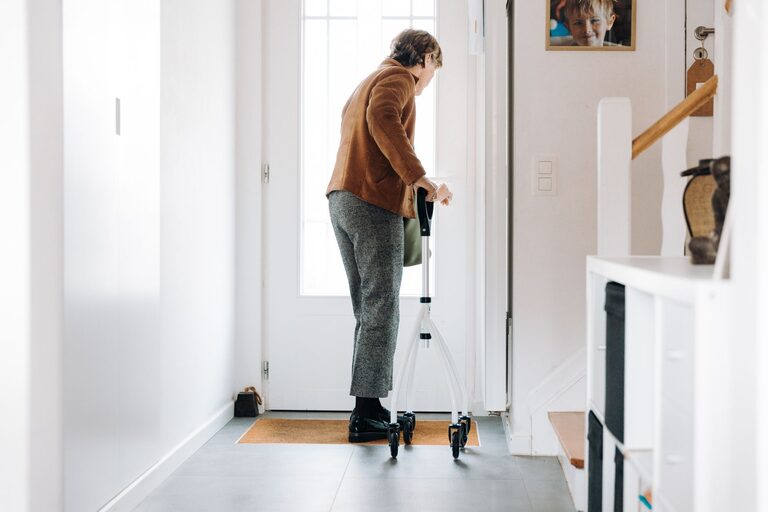
Best Home Safety Updates for Comfortable Independent Living
Living independently is easier when your home supports the way you move, rest, cook, and complete everyday tasks. Small updates can improve comfort and reduce common household hazards without changing the character of your space.
The best safety improvements are practical, easy to use, and suited to your routine. Start with areas you use most often, then work through the home one space at a time.
Begin With a Home Safety Check
Before buying products or starting renovations, walk through your home during different times of day. Look for areas that feel dark, crowded, slippery, or difficult to reach.
Ask yourself:
– Are walkways clear from furniture, cords, and loose items?
– Can you see stairs, doorways, and changes in flooring clearly?
– Are frequently used items easy to reach?
– Do rugs move when stepped on?
– Are switches, handles, and controls comfortable to use?
– Is there a safe way to enter and leave the home?
It can also help to keep a short list of concerns by room. This makes it easier to focus on the updates that will have the greatest everyday benefit.
Improve Lighting Throughout the Home
Good lighting is one of the simplest ways to make a home feel more comfortable and easier to navigate. Aim for even lighting that reduces glare and shadows.
Consider adding:
– Brighter ceiling lights in hallways, stairways, and entry areas
– Motion sensor lights near doors, closets, and nighttime paths
– Task lighting under kitchen cabinets and above work surfaces
– Night-lights in bedrooms, bathrooms, and hallways
– Easy-to-find switches at the top and bottom of stairs
Use bulbs that provide clear, comfortable light. Avoid placing very bright bulbs where they create glare on shiny floors or countertops. Smart bulbs and timers can also help lights turn on automatically, but traditional switches may be simpler for some households.
Make Floors and Walkways Safer
Clear, stable walking paths can make a noticeable difference. Arrange furniture so there is enough room to move comfortably between rooms, and keep commonly used routes free from boxes, baskets, and decorative items.
Review floor coverings carefully:
– Remove loose throw rugs or secure them with suitable rug pads
– Repair lifted carpet edges and damaged flooring
– Keep cords close to walls and away from walking paths
– Use nonslip mats only when they lie flat and stay firmly in place
– Wipe up spills promptly
If a room has a sharp change in floor color or height, improve visibility with lighting or a clear visual marker. Keeping floors clean and dry also helps maintain a steady walking surface.
Upgrade the Bathroom for Comfort
Bathrooms often combine water, smooth surfaces, and limited space, so small improvements can add both comfort and confidence.
Useful updates include:
– Installing secure grab bars near the toilet and in the shower
– Adding a handheld showerhead with an easy-to-use control
– Using a nonslip bath mat that stays flat
– Choosing a shower seat that is stable and properly sized
– Replacing small, difficult-to-turn handles with larger lever-style controls
– Improving ventilation to help floors and surfaces dry more quickly
Grab bars should be anchored correctly to support the intended use. Towel racks and shower doors are not designed to serve as support bars. For larger bathroom changes, consult a qualified contractor who understands safe installation practices.
A raised toilet seat or comfort-height toilet may also make sitting and standing easier. Select products that are stable, secure, and simple to clean.
Create a More Convenient Kitchen
A well-organized kitchen reduces unnecessary reaching, bending, and carrying. Store frequently used dishes, cookware, and ingredients between waist and shoulder height when possible.
Try these updates:
– Add pullout shelves or drawers to lower cabinets
– Use cabinet handles that are easy to grip
– Place everyday appliances on stable, accessible surfaces
– Improve lighting over counters and the sink
– Keep heavy items on lower shelves rather than high cabinets
– Use an automatic shutoff device for selected appliances, if appropriate
Keep the floor near the sink and cooking area dry. Place pot handles away from the edge of the stove, and make sure appliance cords do not cross work areas. A small rolling cart can help move items without carrying too much at once.
Make Stairs and Entrances Easier to Use
Stairs and entryways deserve special attention because they are used frequently and may be affected by weather, clutter, or changing light.
For indoor stairs:
– Install sturdy handrails on one or both sides
– Make sure each step is clearly visible
– Repair loose boards, worn carpet, or uneven surfaces
– Keep stairs free of stored items
– Add lighting that reaches every step
At the entrance, consider a secure handrail, a nonslip surface, and a bright porch light. If there is a raised threshold, use a properly fitted threshold ramp or have it adjusted by a professional. Keep walkways outside clear of leaves, snow, water, and other obstacles.
A bench or stable chair near the entry can provide a convenient place to sit while putting on or removing shoes.
Choose Helpful Door and Window Hardware
Doors and windows are easier to use when handles and locks require less force. Lever-style door handles are often more comfortable than round knobs, especially when carrying items.
Other helpful options include:
– Large, easy-to-read lock indicators
– Keyless entry systems with simple controls
– Window handles that are easy to reach and turn
– Door closers that do not require excessive strength
– A wide-angle viewer or video doorbell for identifying visitors
If you install smart locks or connected devices, keep a manual backup option and learn how the system works before relying on it. Place controls where they are easy to reach, and keep instructions in a convenient location.
Add Simple Emergency Features
Every home should have working smoke and carbon monoxide alarms. Test them regularly and replace batteries or units according to the manufacturer’s instructions.
Keep a small emergency supply in an easy-to-reach location, including:
– Flashlights
– Extra batteries
– A basic first aid kit
– Copies of important contact information
– A phone charger or backup power bank
– Necessary household tools
Make sure phones are charged and easy to reach from common living areas. A cordless phone or mobile phone can be especially convenient if someone needs to call for assistance quickly.
Use Technology Selectively
Smart home tools can support independent living when they solve a specific problem. Motion-activated lights, water-leak sensors, video doorbells, and voice-controlled timers are examples of useful options.
Choose devices with:
– Simple controls
– Clear alerts
– Reliable power sources
– Strong privacy settings
– A backup plan if the internet or power fails
Technology should make routines easier, not add confusion. Start with one device, learn how it works, and add more only when they provide a clear benefit.
Plan Updates in Stages
You do not need to complete every project at once. Start with low-cost improvements such as removing clutter, securing rugs, adding night-lights, and rearranging storage.
Next, consider medium-sized updates such as improved lighting, lever handles, grab bars, and safer entry surfaces. Larger projects, including bathroom remodeling or stair changes, may require professional planning.
Review your home safety setup every few months. Furniture, routines, and household needs can change over time. A few thoughtful updates can help your home remain comfortable, practical, and supportive for independent living.
