
How to Plan Balanced Meals for More Energy All Day
Why Balanced Meals Matter
Energy levels can rise and fall throughout the day for many reasons, including sleep, activity, stress, hydration, and food choices. While no single meal can guarantee constant energy, balanced meals can help you feel satisfied and better prepared for the day.
A balanced meal typically combines:
– Protein
– Fiber-rich carbohydrates
– Healthy fats
– Fruits or vegetables
– Fluids
Together, these foods provide a mix of nutrients and help make meals more satisfying. Instead of focusing on strict rules, think about creating meals with variety, color, and enough food to match your needs.
Start With a Simple Meal-Building Formula
A useful way to plan meals is to divide your plate into sections. This approach is flexible and works for breakfast, lunch, and dinner.
Fill Half Your Plate With Fruits and Vegetables
Fruits and vegetables add fiber, vitamins, minerals, and water to your meals. They also bring color and variety, making food more enjoyable.
Try including:
– Leafy greens
– Broccoli or cauliflower
– Bell peppers
– Carrots
– Tomatoes
– Berries
– Apples
– Oranges
– Bananas
Fresh, frozen, and canned produce can all fit into a balanced eating pattern. When choosing canned foods, look for options with little or no added sugar or salt when possible.
Add a Source of Protein
Protein helps make meals filling and supports many important functions in the body. Include a protein source at most meals and snacks.
Good options include:
– Eggs
– Chicken or turkey
– Fish
– Plain yogurt
– Cottage cheese
– Beans and lentils
– Tofu or tempeh
– Nuts and seeds
You do not need to eat the same protein every day. Rotating between plant and animal sources can add variety and make meal planning easier.
Choose Fiber-Rich Carbohydrates
Carbohydrates are a major source of fuel for daily activities. Choosing fiber-rich options can make meals more satisfying and add important nutrients.
Consider:
– Oatmeal
– Brown rice
– Quinoa
– Whole-grain bread
– Whole-wheat pasta
– Potatoes or sweet potatoes
– Corn
– Beans
– Fruit
A balanced meal does not require avoiding carbohydrates. Instead, combine them with protein, vegetables, and healthy fats.
Include Healthy Fats
Fat adds flavor and helps make meals more satisfying. Include moderate portions of foods such as:
– Avocado
– Olive oil
– Nuts
– Seeds
– Nut butter
– Olives
– Fatty fish
For example, add sliced avocado to a grain bowl, use olive oil in a salad dressing, or sprinkle seeds over oatmeal.
Build an Energizing Breakfast
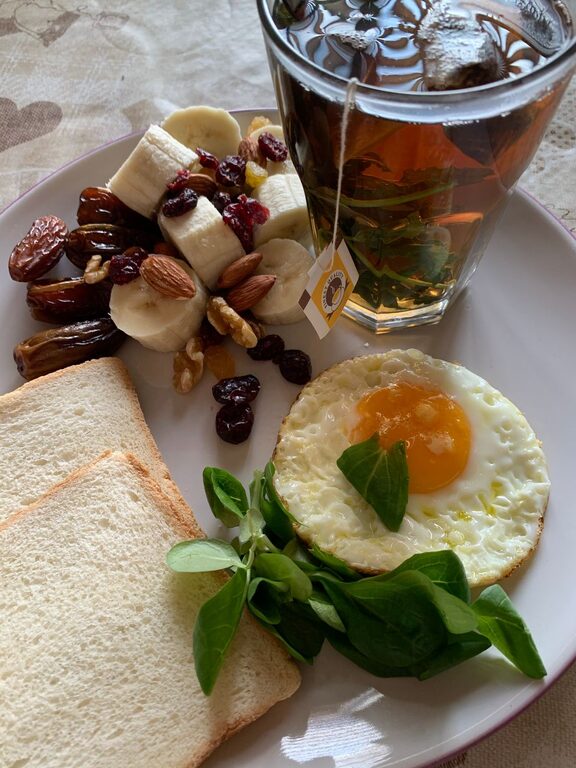
Breakfast does not have to be large or complicated. Aim for a combination of protein, fiber-rich carbohydrates, and produce.
Try these simple ideas:
– Oatmeal topped with berries, walnuts, and plain yogurt
– Whole-grain toast with eggs and sliced tomatoes
– A smoothie made with fruit, plain yogurt, spinach, and nut butter
– Cottage cheese with peaches and whole-grain crackers
– A breakfast burrito with eggs, beans, vegetables, and a whole-grain tortilla
If you are not hungry early in the morning, you can start with a smaller meal and eat more later. The most useful breakfast is one that fits your schedule and helps you feel satisfied.
Plan Balanced Lunches and Dinners
Lunch and dinner can follow the same basic formula. Start with a protein, add a fiber-rich carbohydrate, fill in vegetables, and include a source of healthy fat.
Here are a few combinations:
– Grilled chicken, brown rice, roasted vegetables, and avocado
– Lentil soup with a whole-grain roll and a side salad
– Baked fish, sweet potato, and green beans
– Tofu stir-fry with vegetables and quinoa
– Turkey and vegetable sandwich on whole-grain bread with fruit
– Bean and grain bowl with salsa, greens, corn, and pumpkin seeds
Preparing ingredients in advance can make these meals easier to assemble. Cook a batch of grains, wash vegetables, and prepare a simple protein at the beginning of the week. You can then combine them in different ways.
Use Snacks to Bridge the Gap
Snacks can be helpful when there is a long stretch between meals or when you need food before or after activity. Choose snacks that combine at least two food groups.
Examples include:
– An apple with peanut butter
– Carrots with hummus
– Plain yogurt with berries
– A banana with a handful of almonds
– Whole-grain crackers with cheese
– Edamame with fruit
– A hard-boiled egg with sliced vegetables
A snack does not need to be large. Consider your hunger, schedule, and upcoming meal when choosing a portion.
Plan Ahead for Steadier Choices
Meal planning does not have to mean preparing every meal in advance. Even a small amount of preparation can reduce last-minute decisions.
Try these strategies:
- **Choose a few meals for the week.** Select two breakfasts, two lunches, and three dinners to rotate.
- **Create a short shopping list.** Include proteins, grains, produce, and a few snack options.
- **Prepare flexible ingredients.** Cook grains, wash produce, or portion nuts for easy use.
- **Keep convenient staples available.** Canned beans, frozen vegetables, eggs, oats, and whole-grain bread can save time.
- **Pack food before you need it.** Preparing lunch or snacks the night before can make busy mornings easier.
A flexible plan is often more practical than a perfect one. Leave room for leftovers, restaurant meals, and changes in your schedule.
Pay Attention to Hydration
Not drinking enough fluids may leave you feeling tired or unfocused. Keep water available throughout the day and drink regularly, especially in warm conditions or during physical activity.
Water is a simple everyday choice, but other drinks can contribute to fluid intake as well. Unsweetened tea and water flavored with fruit or herbs are options for adding variety.
If you often forget to drink, try using a reusable bottle, having water with meals, or setting occasional reminders.
Adjust Meals to Your Routine
Everyone’s schedule and food preferences are different. Some people prefer three larger meals, while others feel better with smaller meals and snacks. The goal is to find a pattern that supports your daily routine.
Consider these questions:
– What time do I usually feel hungry?
– Which meals keep me satisfied?
– Do I need portable foods for work or school?
– What foods are easy for me to prepare?
– How can I add more variety to my usual meals?
Keep notes for a few days about your meals, hunger, and energy. This can help you notice patterns without requiring strict tracking.
Keep the Goal Simple
Planning balanced meals is not about making every plate perfect. It is about creating a dependable pattern of varied foods that works for your life.
Start with one change, such as adding protein to breakfast, including a vegetable at lunch, or preparing two snacks for the week. Over time, these small habits can make balanced eating easier and help you feel more prepared for the day.
