Low Impact Outdoor Activities for an Active Weekly Routine
Staying active does not require intense workouts or complicated equipment. Low-impact outdoor activities offer a simple way to add more movement to your week while enjoying fresh air, changing scenery, and time away from screens.
These activities are generally easier on the joints than high-impact options such as running or jumping. They can also be adjusted to match your schedule, energy level, and surroundings. The key is to choose activities you enjoy and create a routine that feels practical enough to maintain.
Why Choose Low-Impact Outdoor Activities?
A low-impact activity keeps at least one foot on the ground or uses smooth, controlled movements. Walking, cycling, swimming, gardening, and casual outdoor games are common examples.
Building a routine around these activities can offer several benefits:
– Adds regular movement to your day
– Provides variety beyond indoor exercise
– Makes it easier to spend time outside
– Can be enjoyed alone or with others
– Supports a balanced approach to weekly activity
– Allows you to adjust the pace and duration
A successful routine does not have to be demanding. Consistency often comes from starting with manageable activities and increasing time gradually as they become familiar.
1. Walking in Different Settings
Walking is one of the most flexible outdoor activities. You can walk through a neighborhood, local park, nature trail, shopping district, or school track. Each setting creates a different experience, which can help prevent your routine from feeling repetitive.
Try adding different types of walks to your week:
– A short morning walk around your neighborhood
– A lunchtime walk through a nearby park
– A longer weekend walk on a maintained trail
– An evening walk with a friend or family member
– A sightseeing walk in a new part of town
To keep walking interesting, choose a theme for each outing. You might look for local landmarks, seasonal plants, public art, or interesting architecture. You can also listen to music or a podcast, although leaving your headphones at home occasionally can help you stay aware of your surroundings.
2. Casual Cycling
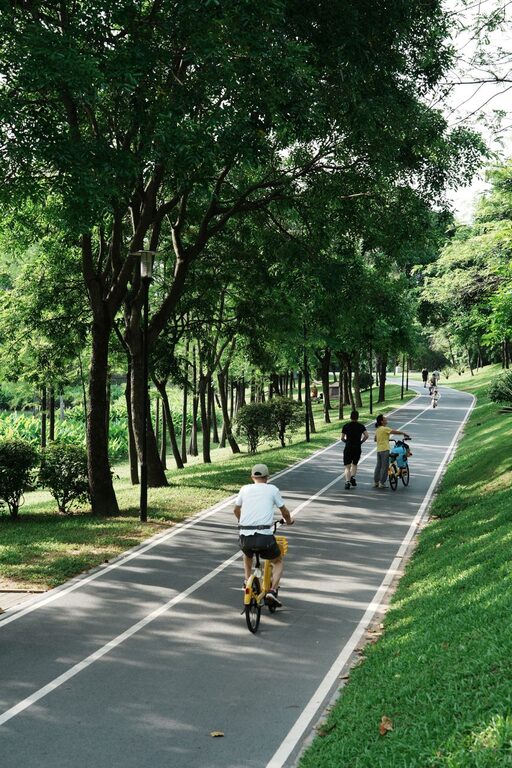
Cycling is a practical way to explore more distance without the repetitive impact of running. A bicycle can be used for relaxed rides, errands, park loops, or weekend outings.
If you are new to cycling, begin with a flat, familiar route. Look for bike paths, quiet streets, or parks with designated cycling areas. Keep the first few rides short and comfortable so you can learn what pace and distance suit you.
A weekly cycling plan might include:
– One short ride for transportation or errands
– One easy ride on a local path
– One longer recreational ride on the weekend
Before heading out, check that your tires are properly inflated, your brakes work well, and your helmet fits securely. Bring water and follow local cycling rules.
3. Gardening and Yard Work
Gardening combines light physical activity with a useful outdoor project. Digging, planting, watering, weeding, raking, and carrying small containers all involve movement.
You do not need a large yard to enjoy this activity. Container gardening, balcony plants, community garden plots, and small herb gardens can all provide opportunities to spend time outdoors.
To make gardening part of your routine, divide tasks across the week:
– Water plants on designated mornings
– Weed or tidy one small area at a time
– Spend a weekend session planting or pruning
– Sweep paths or organize outdoor tools
– Grow herbs or vegetables in containers
Use comfortable tools and change positions regularly. Short sessions can be just as useful for building a habit as occasional, lengthy projects.
4. Outdoor Swimming
Swimming is a smooth, low-impact activity that can be enjoyed at a community pool, lake, or other approved outdoor location. Water-based movement reduces the amount of weight placed on your joints while allowing you to work your arms, legs, and core.
A simple outdoor swimming session might include:
- Several easy laps or a relaxed water walk
- A short rest
- More laps at a comfortable pace
- Gentle movement in the water before leaving
If you swim in an open-water location, use an area with clear safety guidelines and appropriate supervision. Follow posted rules, stay within designated zones, and avoid swimming alone. For a more social option, consider joining a beginner-friendly water exercise class held outdoors during warmer months.
5. Paddling and Rowing
Canoeing, kayaking, and recreational rowing provide a different way to move outdoors. These activities use controlled upper-body and torso movements while giving you the chance to enjoy a lake, river, or calm coastal area.
Beginners can start with a guided session or a rental facility that provides basic instruction. Choose calm water and wear the required safety equipment. A short outing can be enough to learn the basic rhythm without turning the experience into a strenuous workout.
Paddling can also be a social activity. Invite a friend, join a local group, or choose a location with easy access and clear rental instructions.
6. Outdoor Stretching and Gentle Movement
A park, patio, or quiet area can serve as an inviting space for stretching, balance exercises, or gentle movement. This option works well on days when you want to be active but prefer a slower pace.
Create a simple outdoor session by including:
– A few minutes of easy walking
– Gentle movements for the shoulders and arms
– Controlled leg and hip movements
– Balance exercises near a stable support
– Calm breathing and a relaxed finish
Keep movements smooth and comfortable. The goal is to create a pleasant outdoor habit, not to force a difficult session.
7. Low-Impact Outdoor Games
Games can add fun and variety without requiring intense competition. Consider activities such as frisbee, croquet, lawn bowling, horseshoes, or relaxed rounds of outdoor badminton.
Choose games that allow players to move at a comfortable pace. You can shorten the playing time, take regular breaks, or use a smaller playing area. These adjustments make it easier to include people with different interests and activity levels.
Outdoor games are especially useful for social routines. A weekly game night at a park can turn movement into a regular gathering that people look forward to.
How to Build a Weekly Routine
A balanced schedule can include different activities without filling every day with exercise. Start with three or four outdoor sessions and keep the duration realistic.
For example:
– Monday: 20-minute neighborhood walk
– Wednesday: 30-minute cycling session
– Friday: 20 minutes of gardening or outdoor stretching
– Saturday: Longer walk, swim, or casual outdoor game
– Sunday: Optional relaxed activity or rest
Leave room for changes in weather, work, family plans, and energy levels. If you miss a session, simply continue with the next planned activity instead of trying to make up for it all at once.
Tips for Staying Consistent
A few practical choices can make an outdoor routine easier to maintain:
– Keep walking shoes or outdoor gear easy to access
– Put activities on your calendar
– Invite a friend for added accountability
– Choose routes close to home
– Have an indoor backup for poor weather
– Track activities with simple notes
– Focus on regular participation rather than perfection
Pay attention to your surroundings and use appropriate clothing, water, sun protection, and safety equipment. Select well-maintained paths and follow local guidance for parks, trails, waterways, and public spaces.
The best low-impact routine is one that fits your life. By combining walking, cycling, gardening, water activities, gentle movement, and outdoor games, you can create a varied weekly schedule that supports regular activity while leaving plenty of room for enjoyment.